
Shockwave Therapy for Pain & Arthritis
WHAT IS SHOCKWAVE THERAPY?
- $200 / session · 6 for $1,000
- 15-20 min
Shockwave therapy — extracorporeal shockwave therapy, or ESWT — uses focused acoustic pressure waves delivered through the skin to a targeted area. There are no needles and no incisions.
The waves are thought to work by stimulating the body’s own repair response: encouraging blood flow to the area and waking up tissue that has stopped healing on its own. A session is quick, done in a series of visits spaced about a week apart, and most people walk out and go about their day. There is no general anesthesia and usually little to no downtime.
This page is general education, not medical advice. Shockwave therapy is not appropriate for everyone and results vary. Please discuss your situation with Dr. Le or another qualified clinician before starting any treatment.
Common Treatment Areas
- Heel and plantar fascia
- Elbow — lateral epicondylitis (tennis elbow)
- Shoulder
- Hip and knee
- Tendon and soft tissue
- Wound care, with specific cleared devices
HOW IT WORKS
Assessment First
We start by confirming whether shockwave therapy is a reasonable option for your specific problem. That evaluation comes before any treatment, and it is where we tell you honestly if this is not the right fit.
Acoustic Pressure Waves
A coupling gel is applied and a handpiece is moved over the treatment area while it delivers pressure waves through the skin. Some people feel a tapping or mild discomfort; it is generally well tolerated and the settings can be adjusted.
A Series, Not a Single Visit
Most treatment plans involve a short series of sessions spaced roughly a week apart, rather than one appointment. We will set out the expected number up front.
Back to Your Day
No incisions, no sedation, no hospital stay. Most people return to normal activity the same day.
WHAT IT IS FDA-CLEARED TO TREAT

Chronic Plantar Fasciitis
Persistent heel pain that has not responded to conservative care.

Lateral Epicondylitis
Tennis elbow.
Pain Relief & Local Circulation
Pain relief, a temporary increase in local blood circulation, and activation of connective tissue - the cleared, general-use language for certain musculoskeletal applications.

Wound-Care Applications
Diabetic foot ulcers and certain second-degree burns, with specific cleared devices.
RESULTS
Real people. Real results.
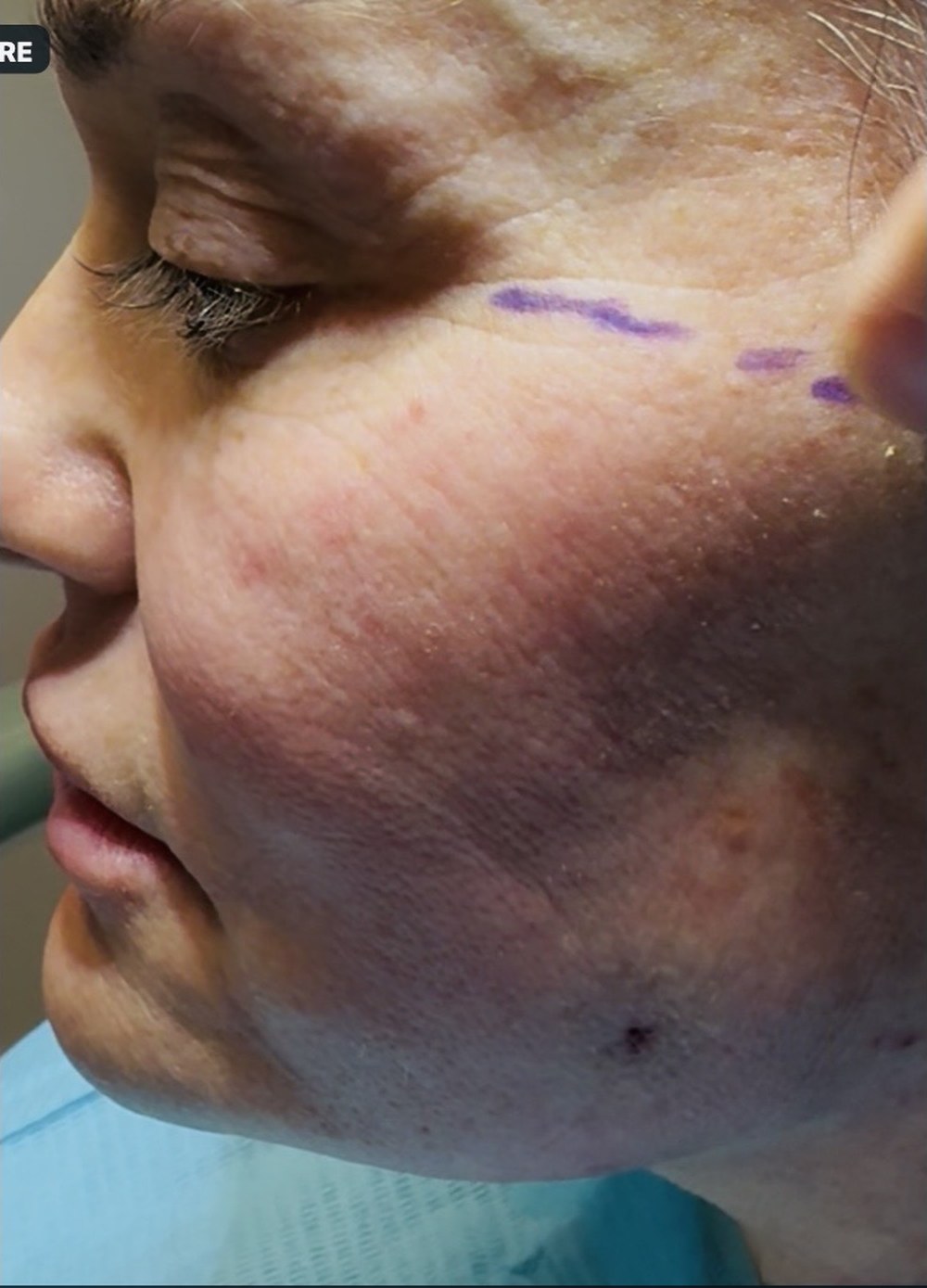
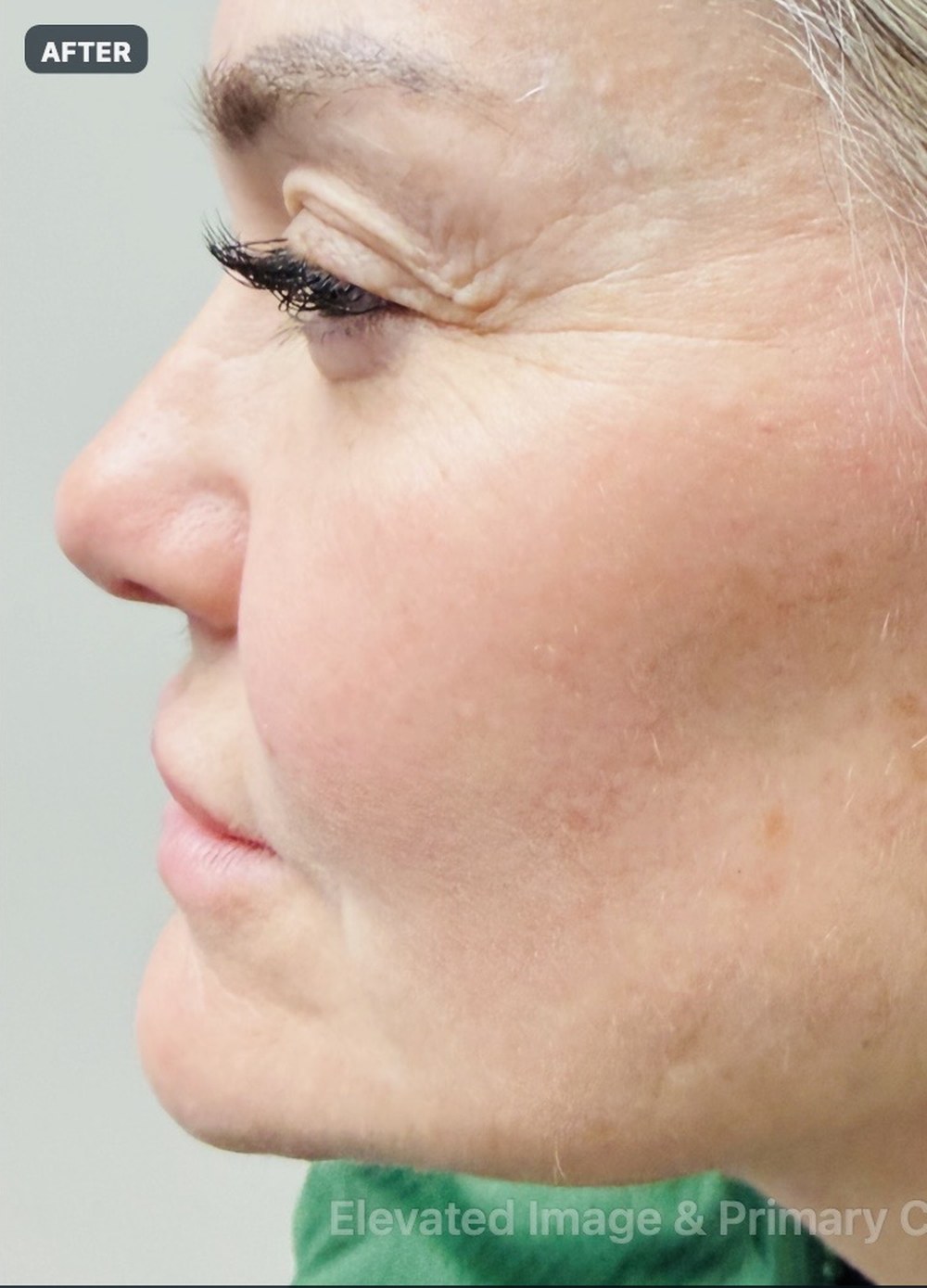
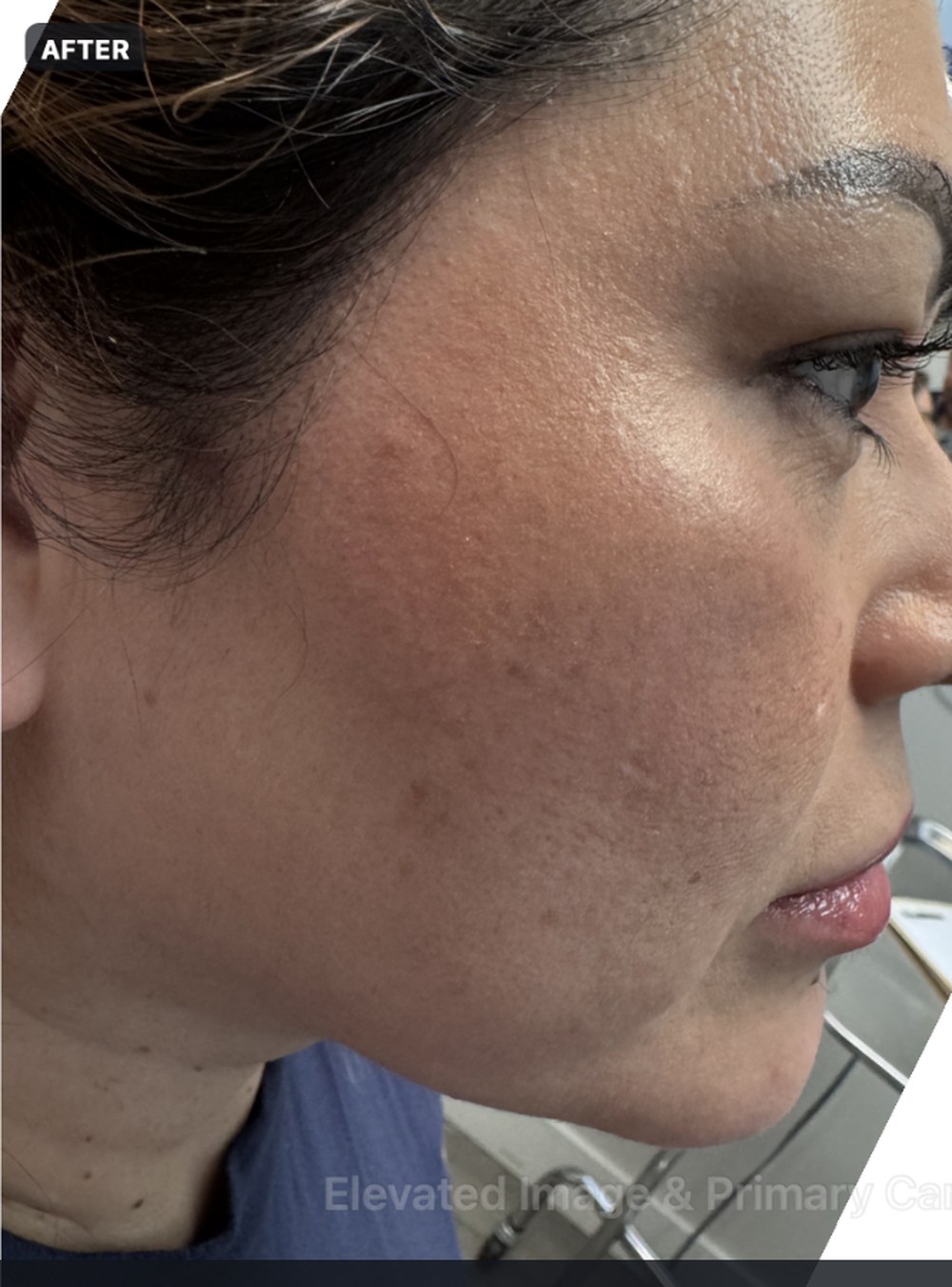
Treated by Endolift + Suture Suspension — 2 months
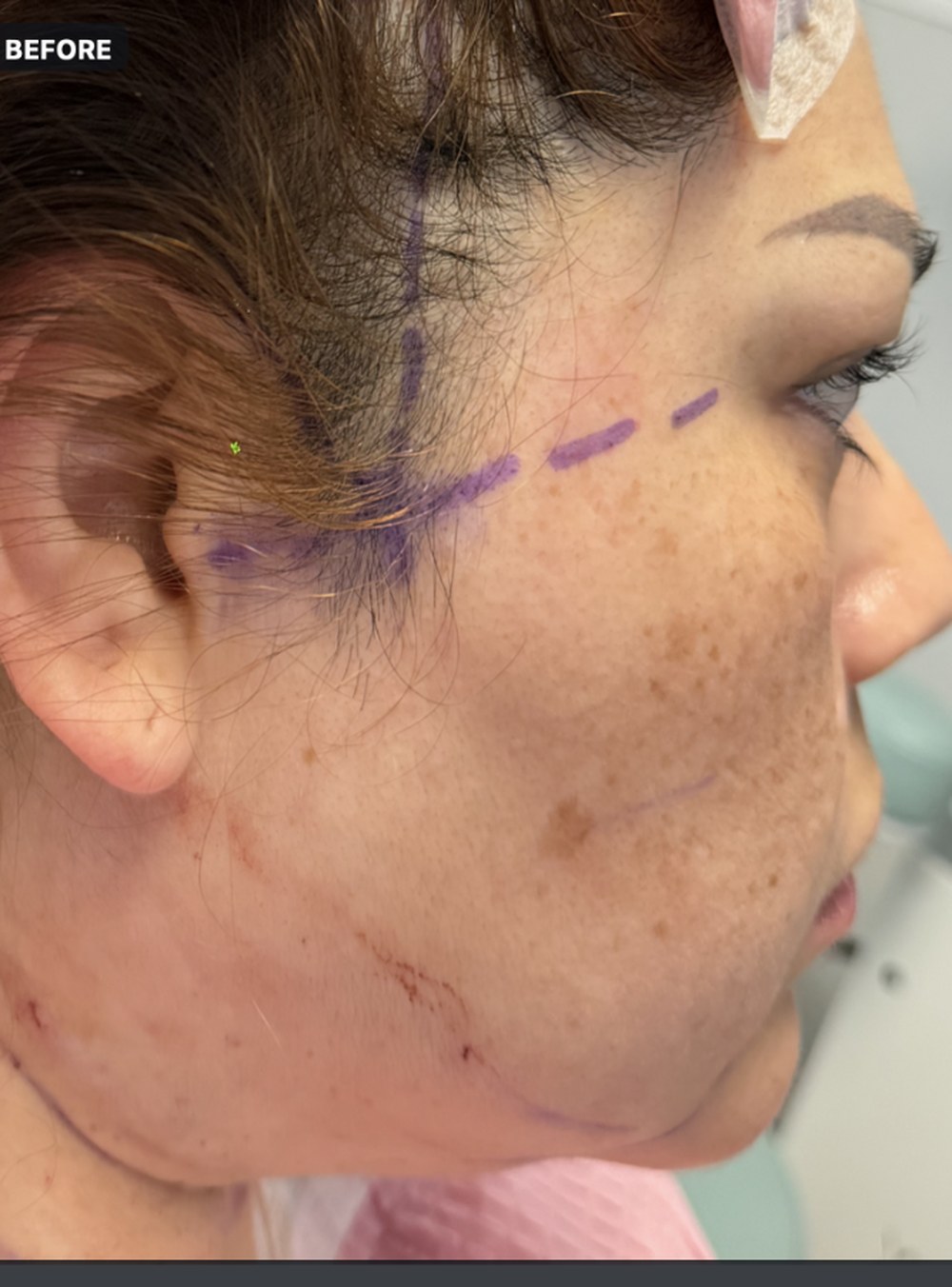
Treated by Endolift + Suture Suspension — 2 months
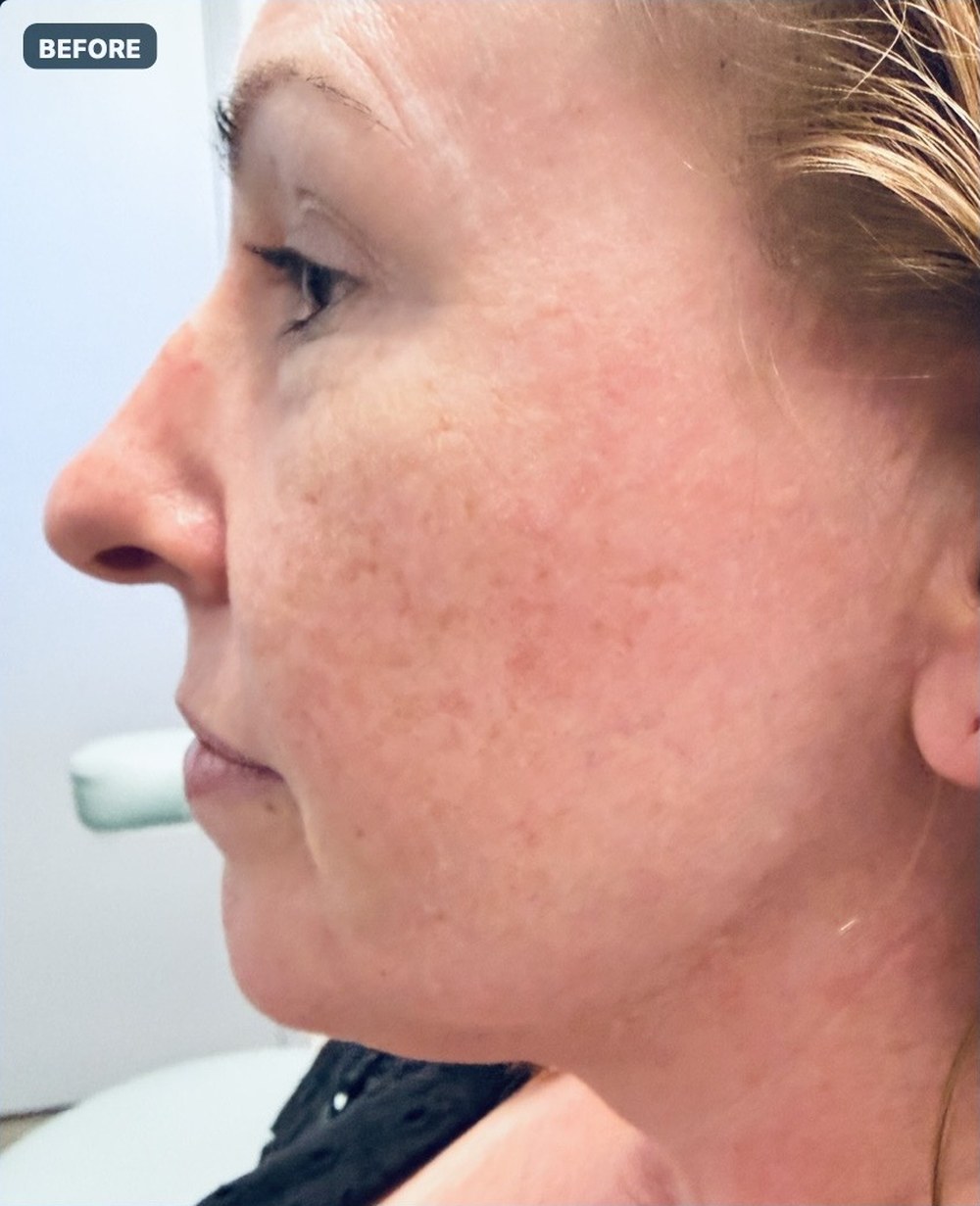
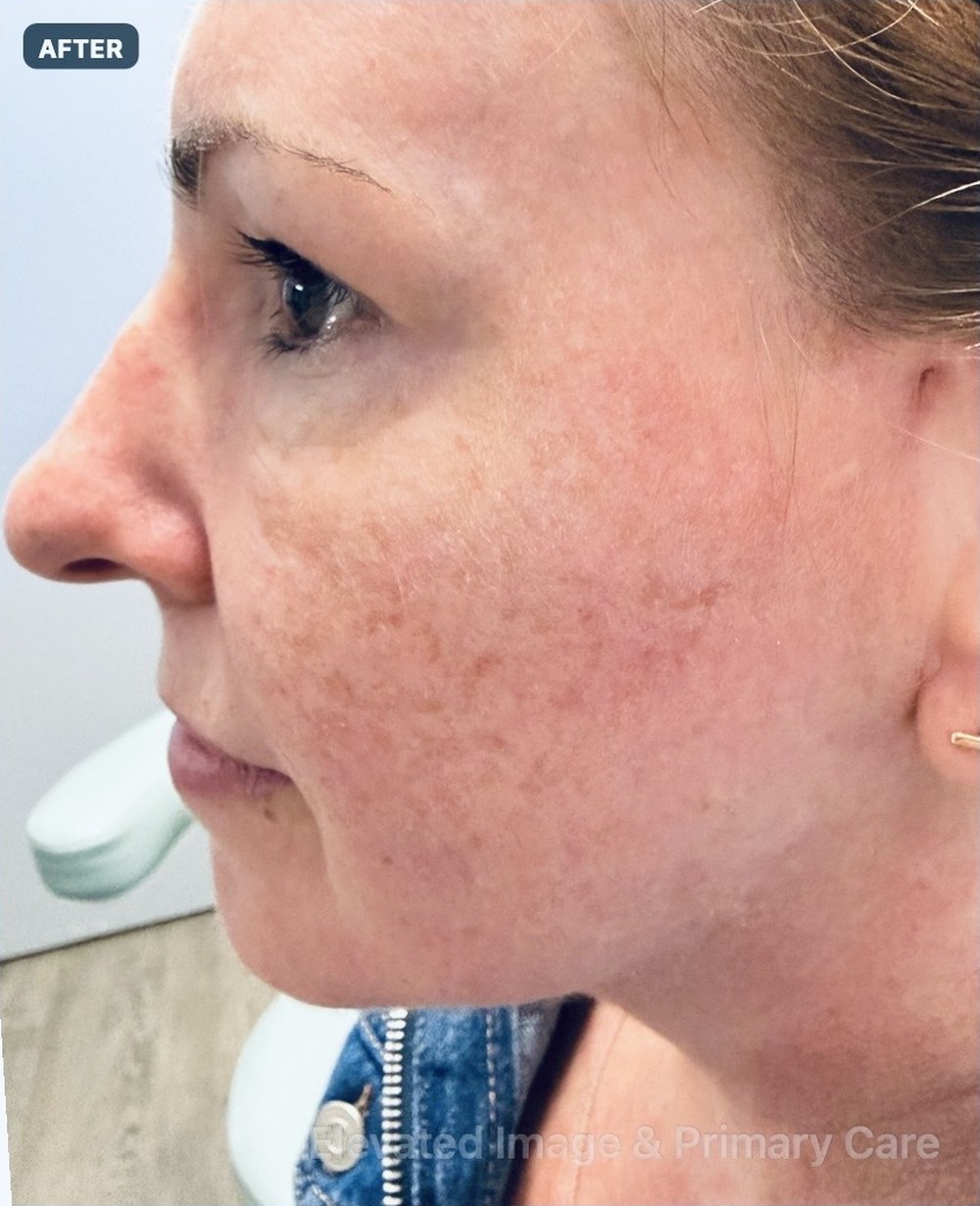
Treated by Endolift + Suture Suspension — 3 weeks
Clients Reviews
OTHER USES PEOPLE ASK ABOUT
Shockwave therapy is also commonly used, and widely studied, for neck pain, back pain, shoulder pain, hip and knee pain, and a range of tendon and soft-tissue problems. Those uses are off-label – not FDA-cleared – even where early research looks promising.
We are glad to discuss and, when appropriate, use shockwave therapy for these concerns. We will also be upfront about it: the evidence for off-label uses is still developing, we make no efficacy promises for them, and we will tell you honestly whether it is a reasonable option for your situation.
Before the Procedure
- Come in for an evaluation so we can confirm shockwave therapy suits your problem.
- Tell us if you are pregnant, have a pacemaker or similar device, have an active cancer in the area, have a blood-clotting disorder, or take blood thinners.
- Bring any imaging or prior treatment notes for the area.
- No fasting, sedation or driver is needed.
During the Procedure
- Coupling gel is applied over the treatment area.
- The handpiece is moved over the site while delivering acoustic pressure waves.
- Expect a tapping sensation or mild discomfort; settings are adjusted to your tolerance.
- Most sessions run about 15 to 20 minutes.
After the Procedure
- Most people return to normal activity the same day.
- Mild soreness in the treated area for a day or two is common.
- Sessions are usually spaced about a week apart.
- Improvement, when it happens, is typically gradual over the course of the series and the weeks after it.
Is shockwave therapy surgery?
Does it hurt?
How many sessions will I need?
How long is a visit?
Is there downtime?
Will it work for my knee, back or shoulder?
Who should not have shockwave therapy?
IS IT RIGHT FOR EVERYONE?
No, and that matters. Shockwave therapy is not recommended for certain people, which is why an in-person evaluation comes first.
Tell your provider if you are pregnant, have a pacemaker or similar implanted device, have an active cancer in the treatment area, have a blood-clotting disorder, or are taking blood thinners. We will review your history and help you decide whether it makes sense for you.
Questions About a Treatment or Service?
We are here to help! Book your free consultation today. Need quick answers? Call us: 206-395-4748 (call/text)