1. Nature of the procedure
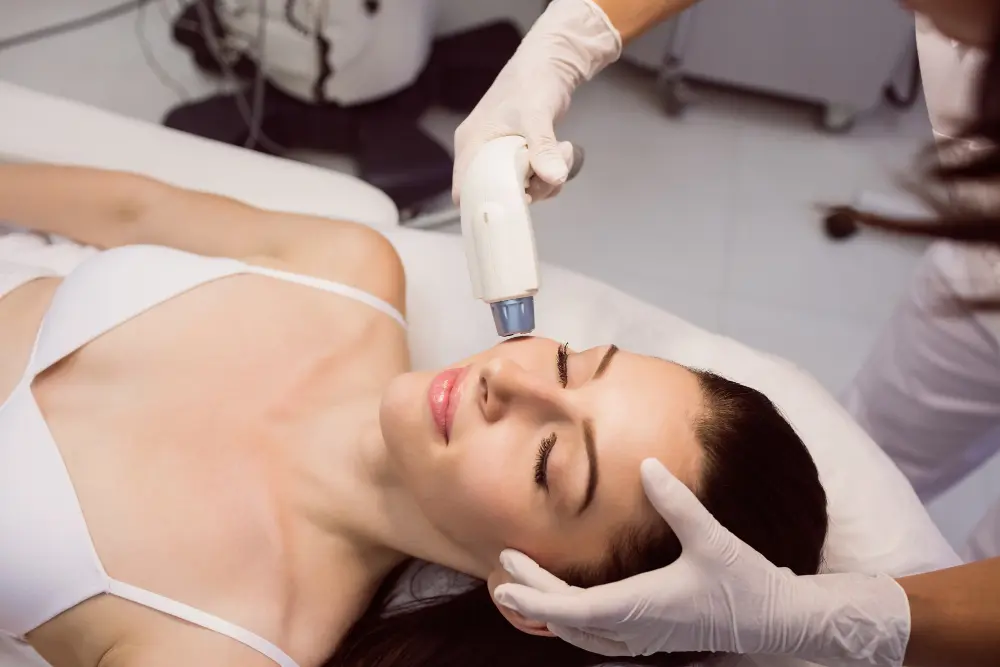
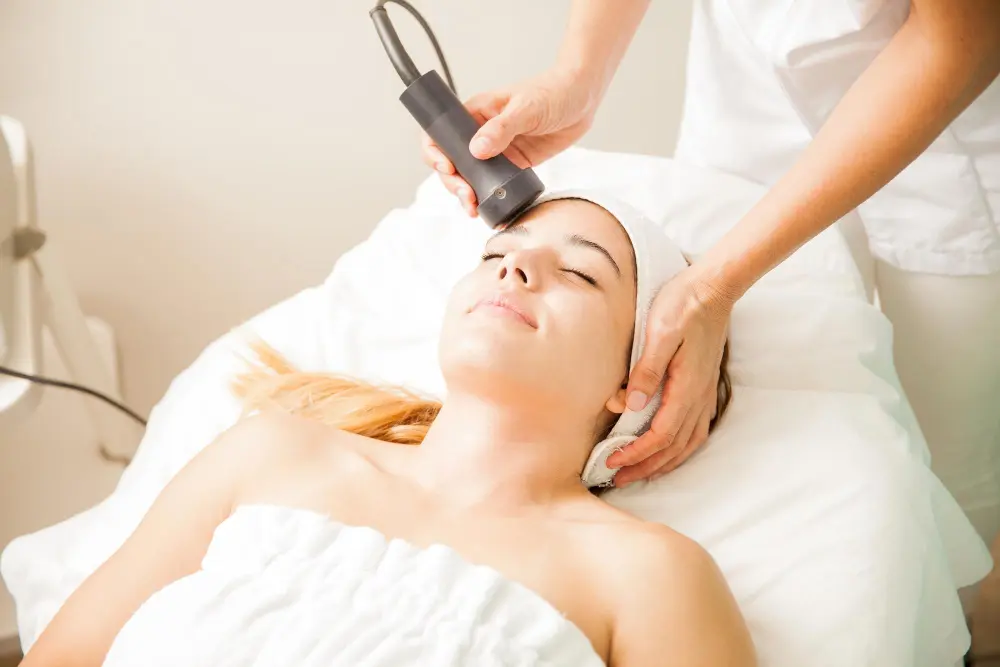
This is a non-surgical, minimally invasive procedure. Through small needle or cannula entry points — without a surgical incision — reposition-and-suspension threads or sutures are placed under the skin and directed along an upward (superior) vector to reposition descended mid-cheek (malar) tissue and improve cheek contour and projection. It is not a facelift and does not remove skin.
You understand this procedure is non-surgical and repositions your own tissue.
|
I understand this is a non-surgical repositioning procedure and not a surgical facelift. |
Initial |
2. What this procedure can and cannot do
|
I understand this repositions tissue but does not add volume, and results are modest and variable. |
Initial |
3. Product used and regulatory status
The device/material planned for my treatment is: ______________________________________.
|
The specific product and its approval status (including any off-label use) were explained to me. |
Initial |
4. Expected results and duration
5. Risks and possible complications
No procedure is without risk. I understand the following may occur:
These threads/sutures are NOT reversible. Unlike some fillers, there is no dissolving agent; correcting an unwanted result may require waiting for the material to absorb or a minor revision procedure.
|
I understand the risks above, that asymmetry is the most common issue, and that the procedure is NOT reversible. |
Initial |
6. Alternatives
7. Photography
I consent to standardized clinical photographs before, during, and after treatment for my medical record and treatment planning. Any other use (education, marketing) requires my separate written authorization.
|
I consent to clinical photography for my record as described. |
Initial |
8. Financial acknowledgment
This is an elective cosmetic procedure. It is self-pay and is not billed to or covered by insurance or Medicare. Fees for the procedure and any additional sessions or revisions are my responsibility. Payment is for the service, not for a guaranteed outcome.
9. Patient acknowledgment
I have read (or had read to me) this form. My questions have been answered. I have had the opportunity to discuss the procedure, its limitations, risks, and alternatives with Dr. Le, and I consent to proceed.
After Your Non-Surgical Midface Lift
Home Care Instructions
|
CALL THE CLINIC RIGHT AWAY IF YOU HAVE: |
|
• Skin that turns white, dusky, blue, or mottled, or severe or worsening pain — these can signal a blood-vessel problem and need urgent attention.
• Spreading redness, warmth, swelling, pus, or a fever — possible infection.
• A thread poking through or out of the skin, or a visible thread tip.
• New or worsening facial unevenness, drooping, or muscle weakness, or numbness that does not improve.
|
Clinic: 206-395-4748. If you have trouble breathing, sudden vision change, or another emergency, call 911.
First 24–48 hours
First 2 weeks
What is normal
Mild bruising, swelling, tenderness, a feeling of tightness, and small dimples or puckers are common in the first days and usually settle within about two weeks as the tissue relaxes.
Follow-up
Your follow-up visit is scheduled for: __________________________. Please keep it so we can check your result and address any concerns. Bring any questions.