Educational information only — not medical advice. Skin-tightening procedures require individual evaluation by a qualified clinician.
Non-surgical skin tightening is one of the most hyped corners of aesthetics — full of “one session, years younger” promises that rarely match reality. This is an honest guide to what these treatments actually do, who they tend to help, and what to realistically expect, so you can walk into any consultation as an informed patient rather than a target for marketing.
Why skin loosens — and what’s actually happening
Skin firmness comes largely from collagen and elastin, and both decline gradually with age, sun exposure, and genetics. Laxity is a normal part of how skin changes over time — it affects everyone, just on different timelines. Understanding that it’s a natural process, not a flaw, is the right frame for deciding whether to do anything about it at all.
What skin-tightening treatments actually do
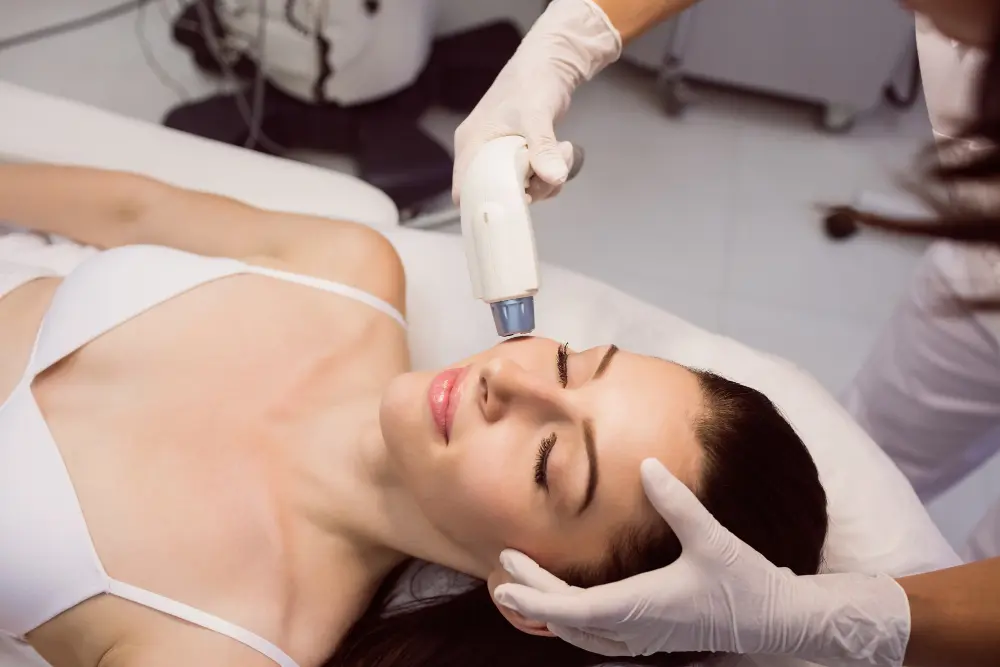
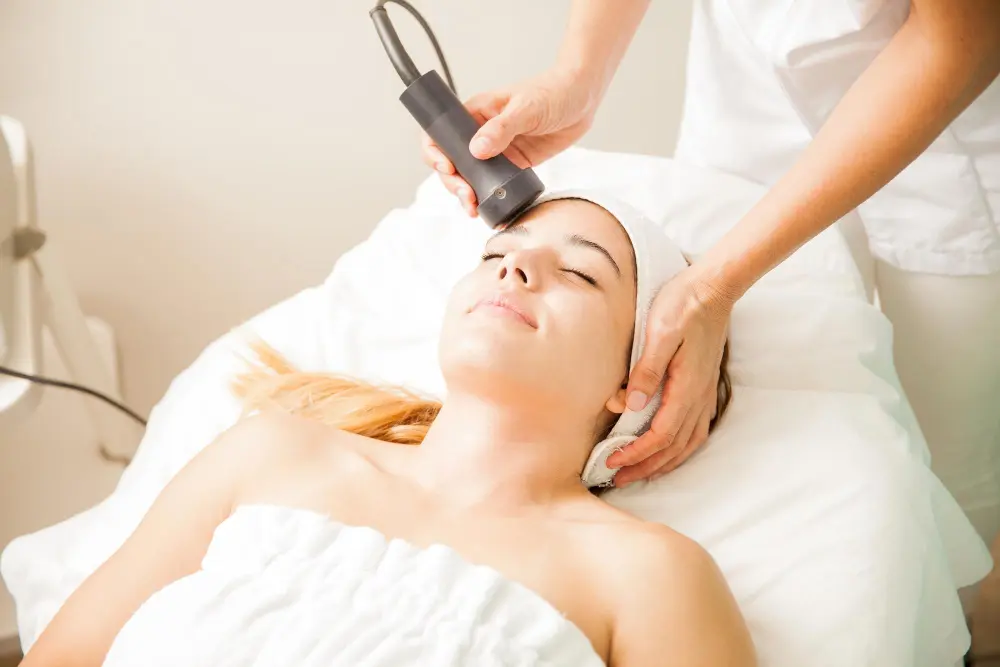
Most non-surgical options fall into a few categories — radiofrequency, microfocused ultrasound, radiofrequency microneedling, and certain energy-based laser and light treatments. Broadly, they work by delivering controlled heat to deeper layers of the skin to prompt your body’s own collagen remodeling over time. That’s the mechanism, not magic. Just as important is what they are not: these treatments are not surgery, and they don’t remove significant excess skin. Honest framing matters here — surgical options are a separate conversation with a specialist, and a good provider will tell you when that’s the more realistic path.
Who it’s for — and who it isn’t
Non-surgical tightening tends to help most with mild to moderate laxity. More advanced sagging is often better addressed surgically, and a candid provider will say so rather than sell you a series that can’t meet your goal. There are also situations where caution is warranted — pregnancy, certain implants or implanted devices, active skin conditions, and some medical histories, among others. An in-person assessment of your skin type, degree of laxity, and expectations is what separates a safe, realistic plan from a disappointing one.
What to expect — the honest version
Results build gradually as collagen remodels over weeks to months, and most treatment types require more than one session. Comfort and downtime vary by treatment and by person. And results vary — research shows a range, and no honest clinic can promise a specific outcome. Think of it as an improvement that works with good skin care over time, not a replacement for a facelift.
Protecting your results
Whatever you do in a treatment room, daily sun protection is the single biggest factor in how long results last — followed by sensible skin care, hydration, good sleep, and not smoking. The maintenance side is unglamorous, which is exactly why the hype skips it.
Spotting myths, scams, and red flags
Be skeptical of “one session, years younger” marketing, at-home gadgets that promise clinical results, deep-discount coupon clinics, and treatments run by untrained operators. Energy-based devices are safe in the right hands and risky in the wrong ones. Before you book anywhere, it’s fair to ask who operates the device, what their training is, and what happens if there’s a complication.
Right here in Kent, WA
At Elevated Image & Primary Care in Kent, Washington, skin-tightening consultations start with an honest look at your skin and your goals — including telling you when a non-surgical approach is a good fit and when it isn’t. No pressure, no overpromising.
Frequently asked questions
Is it permanent?
No treatment stops aging. Results last for a period that varies by person and treatment, and are best maintained with good skin care and sun protection.
How many sessions will I need?
Most treatment types involve more than one session, but the number depends on your skin and your goals — something to determine at a consultation.
Does it hurt?
Comfort varies by treatment type and person; your provider can explain what to expect for the specific approach being considered.
Is this the same as a facelift?
No. Non-surgical tightening stimulates gradual improvement; it doesn’t remove excess skin the way surgery can. A good provider will tell you honestly which is appropriate.
The next step
If you’re wondering whether this is right for you, the next step is a consultation with a clinician who will look at your skin and your goals honestly. You can book a consultation at Elevated Image & Primary Care in Kent, WA.
Elevated Image & Primary Care — Kent, WA
Ready for an honest, personalized consultation?
Text (206) 395-4748 | Call (206) 395-4327 | Joshua.Le@ElevatedImageHealthClinic.com
This article is for general education only and does not create a doctor–patient relationship. Skin-tightening procedures are medical treatments that require individual evaluation by a qualified clinician. Individual results vary.